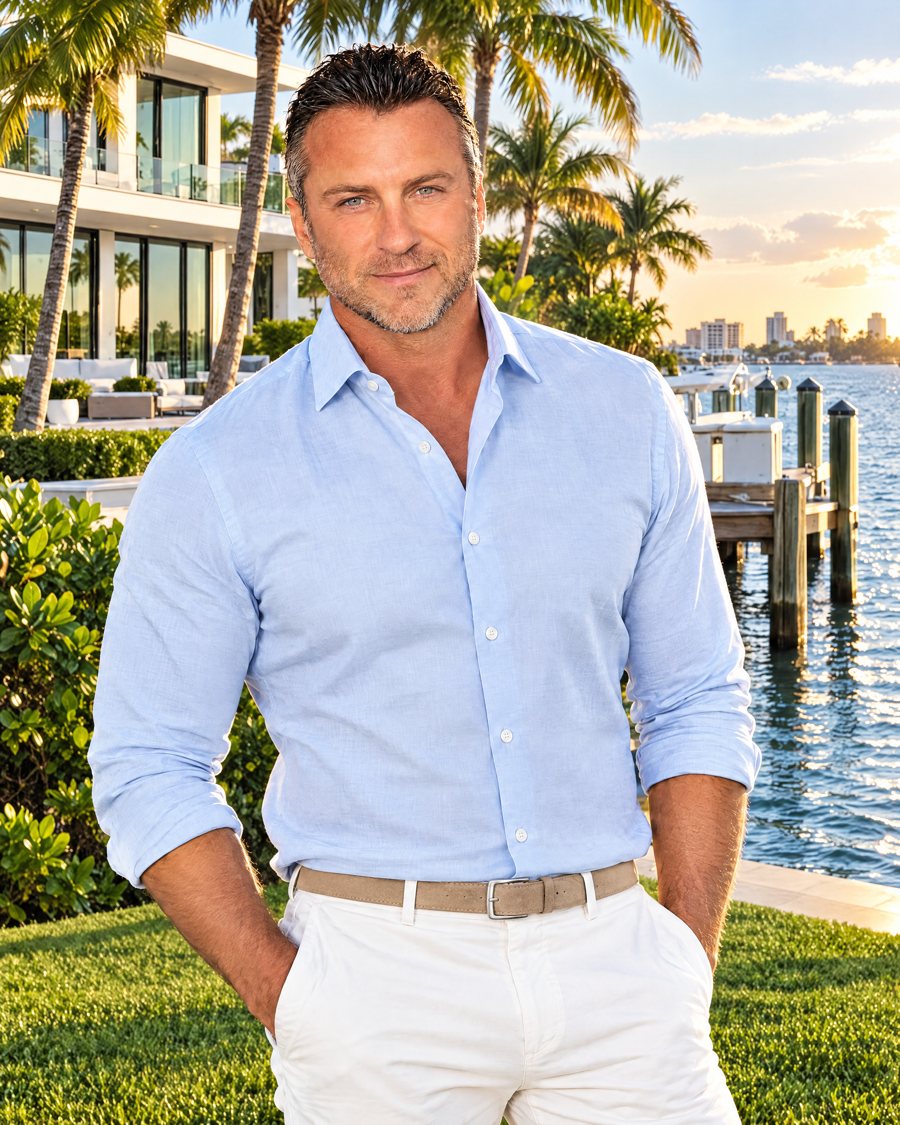
Boca Raton is a city of about 100,000 between Palm Beach and Fort Lauderdale, with a planned, manicured feel that goes back to Addison Mizner's 1920s vision. It's safer, quieter and more established than Miami, more of a real city than Naples or Jupiter, and more family-oriented than Palm Beach. Here's what relocating families should weigh.
The case for Boca Raton
- Safety: Boca Raton consistently reports crime rates well below national and Florida averages, and East Boca's residential neighborhoods are among the quietest in South Florida. Gated and guarded communities add a further layer.
- Weather: Winters are the reason everyone comes: highs in the mid-70s from December through February, low humidity, ocean breezes. Spring and fall are excellent.
- A real downtown: Mizner Park, Royal Palm Place, the Boca Raton Museum of Art, the Mizner Park Amphitheater and dozens of restaurants, with Delray Beach's Atlantic Avenue ten minutes north.
- Schools: Saint Andrew's School, Pine Crest, Grandview Prep, American Heritage; strong public high schools; FAU and Lynn University in the city.
- Clubs and water: A dozen private golf and yacht clubs and some of the best deep-water boating in Florida, with the Boca Inlet and no fixed bridges from Royal Palm and Lake Rogers Isle.
- Health care: Boca Raton Regional Hospital (Baptist Health), the Lynn Cancer Institute, Cleveland Clinic Florida and the University of Miami system in the region.
- Community: One of the largest Jewish communities in the country, strong Catholic and Episcopal parishes, active philanthropy, and a large population of fellow transplants from the Northeast and Midwest.
- Access: Two international airports within about 30 minutes, Boca Raton Airport for private aviation, Brightline to Miami and Orlando.
- Taxes: No state income, estate or inheritance tax. See the cost-of-living guide.
The honest cons
- Summer: June through September is hot and humid, with afternoon storms. Many residents travel in July and August; those who stay live by the pool, the ocean and the air conditioning.
- Hurricanes: Boca Raton hasn't taken a direct hit from a major hurricane since Wilma in 2005, but the risk is real every season. Homes built or renovated to post-2002 code with impact glass and generators handle storms well; insurance is the real cost. See insurance notes.
- Insurance: Homeowners, wind and flood coverage cost more than up north. Newer construction helps a lot.
- Traffic and season: January through March brings the snowbirds; Glades Road, Palmetto Park Road and Federal Highway slow down, and restaurant reservations get harder.
- No hills, no fall foliage: Flat and green year-round. Some people miss the seasons more than they expected.
- Price: Boca Raton is one of the most expensive cities in Florida. For families coming from the New York area or California it usually still nets out favorably.
Who thrives here
Families with school-age children who want safety, schools and the beach; executives and founders who need airports and a quiet home base near Miami; boaters; golfers; and retirees who want a real downtown and major hospitals rather than a resort. Families who want nightlife every night usually prefer Miami; families who want total quiet sometimes prefer Jupiter or Vero Beach.
Where in Boca Raton
East of I-95, and especially east of Federal Highway, is where the water, the walkable downtown and the oldest club communities are. See best neighborhoods in Boca Raton.
Why Boca Raton, specifically
South Florida has a dozen luxury markets. Relocating families keep choosing Boca Raton because it combines things the others split up: a real downtown (Mizner Park, Royal Palm Place, the Boca Raton Museum of Art and The Boca Raton resort), five miles of mostly uncrowded beach, a dense cluster of private golf and yacht clubs, strong public and private schools, two international airports within about 30 minutes, a Brightline station for Miami and Orlando, and an executive airport for private aviation right in the city.
East Boca Raton, east of I-95 and especially east of Federal Highway, is where most relocating buyers at the top of the market settle: the deep-water estates of Royal Palm Yacht & Country Club, the Intracoastal homes of Lake Rogers Isle, the walkable Golden Triangle, the private-club life at St Andrews Country Club, and the oceanfront and Intracoastal condominiums along A1A and downtown.
This page is general information for people considering a move to Boca Raton. It is not tax, legal or financial advice. Rates, exemptions and deadlines change; verify current figures with a CPA or attorney licensed in the states involved.